
In the daily news scroll, it’s hard to miss the recurring headlines about extreme weather, such as droughts, hurricanes, and flooding. Back in 2022, the economic costs of natural disasters surpassed $270 billion, signaling more than just a temporary setback. Under climate change, these losses will only become larger and larger, as the frequency and intensity of such disasters increases. Significant portions of economic damage are caused to buildings we work and live in. Costs for repairing and preventing damages from these climate risks will hinder real estate investments. Moreover, failure to address climate risks can greatly reduce the market value of real estate.
From the 2008/2009 financial crisis, we have seen that shocks in real estate ripple through the entire economic system and may even cause global financial crises. To address these challenges, financial parties are since 2024 obligated to report on the climate risks they are facing. Although companies acknowledge the relevance and urgency of climate change, the financial sector is currently struggling with how to address such requirements.
Black box approaches
In response, there has been a rapid increase in climate-risk startups. These businesses sell climate risk assessments to large corporations. Despite the increasing demand for such services, these assessment providers do not disclose how they assess climate risks. Moreover, the outcomes of these black box approaches greatly differ from one another, highlighting the need for standardized practices in the financial sector.
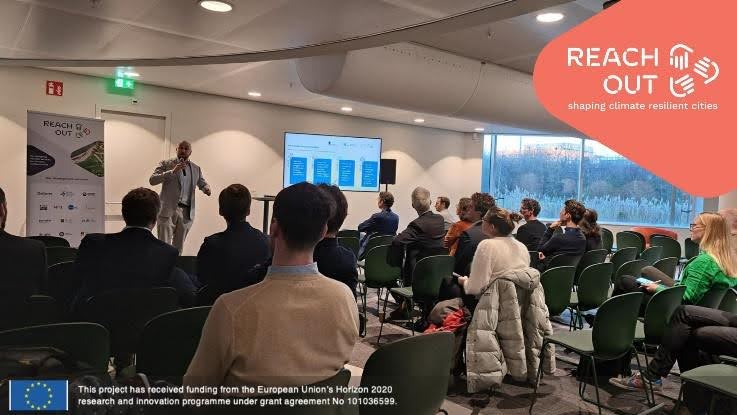
In December 2023, the first steps towards such a standardized approach have been taken in Amsterdam. As part of the REACHOUT project, a Science-Practice Lab has been jointly organized by the CFA and Climate Adaptation Services (CAS) and hosted by pension investor APG. Real estate investors with assets throughout Europe joined the session and worked towards opening up the black box of climate risk assessments.
REACT tool
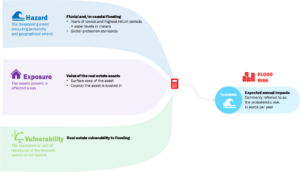
Thijs Endendijk from the CFA contributed to the session by officially launching the Real Estate Asset Climate Testing (REACT)
tool. This tool is aimed at empowering analysts at real estate investors to do their own climate risk assessment for flooding and to no longer rely on black box approaches. The tool is a simplified version of established models in science
and offers a quick, flexible, and transparent approach to screen flood risk for single assets or entire investment portfolios.
In conclusion, the growing impact of climate change on real estate investments demands urgent attention from the financial sector. As extreme weather events become more frequent and severe, the economic consequences are substantial, posing a threat to not only individual properties but also to the broader financial system. By providing real estate investors with a practical and accessible tool to assess flood risks. The financial industry is moving forward while fostering collaboration and implementing standardized approaches will be essential in adapting to increasing climate risk.
Thijs Endendijk – t.endendijk@vu.nl